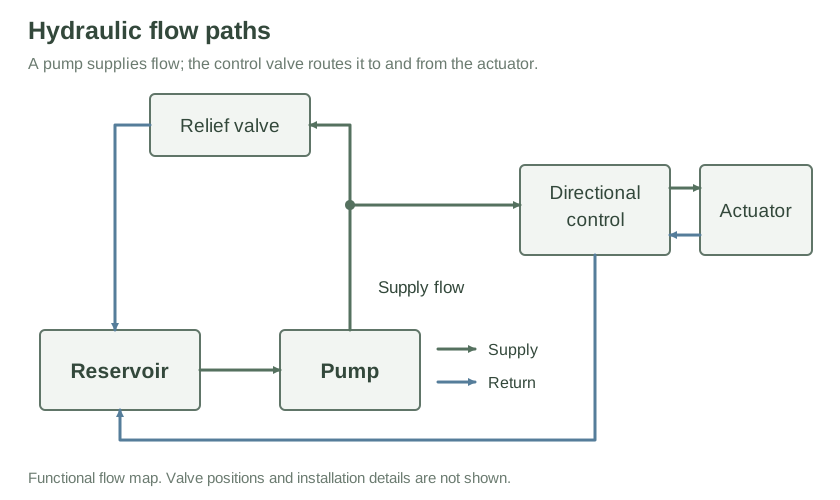
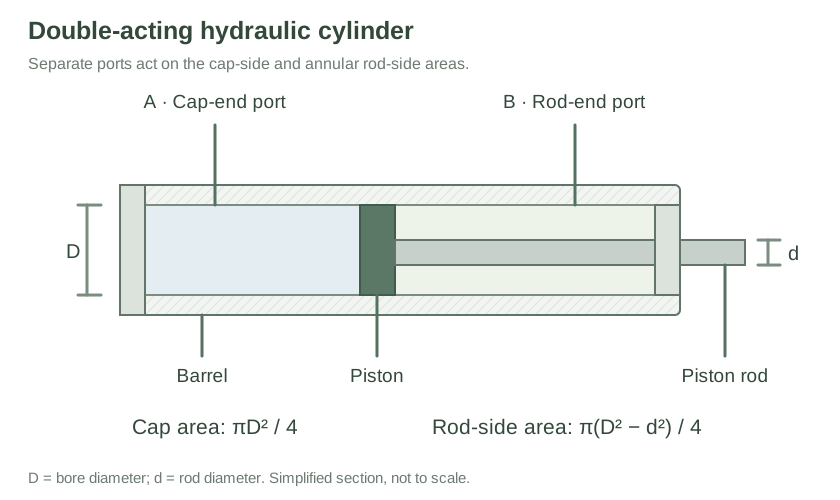
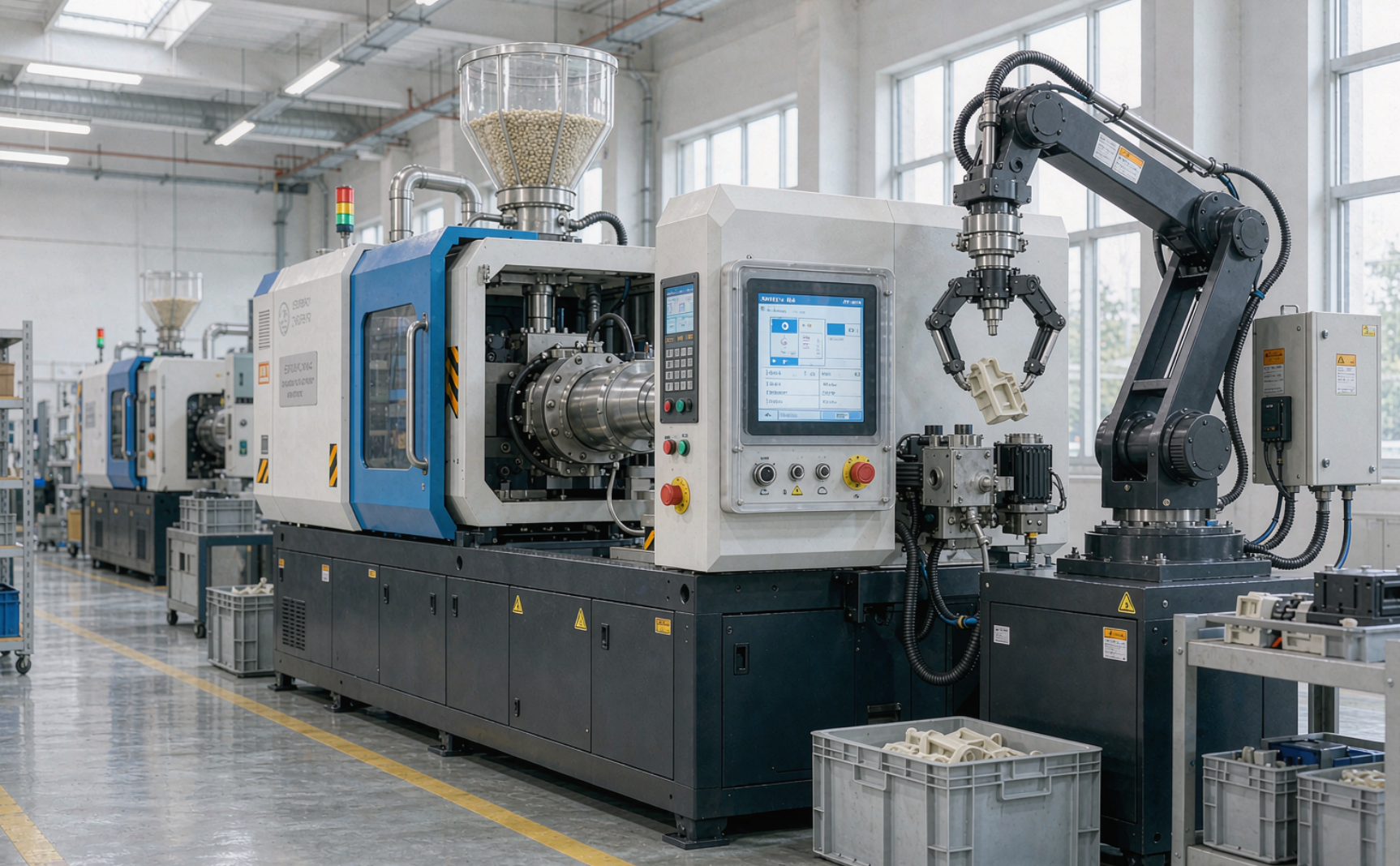
It is one of the most repeated statistics in fluid power, and one of the most ignored: the majority of hydraulic component failures — frequently quoted in the range of 70–80% — trace back to fluid contamination rather than design error or bad luck. A pump does not wear out because it was poorly built; it wears out because abrasive particles ride through its clearances thousands of times an hour. This article is a working reference for the engineer who specifies, builds, or maintains a hydraulic system and wants to control contamination with numbers rather than hope.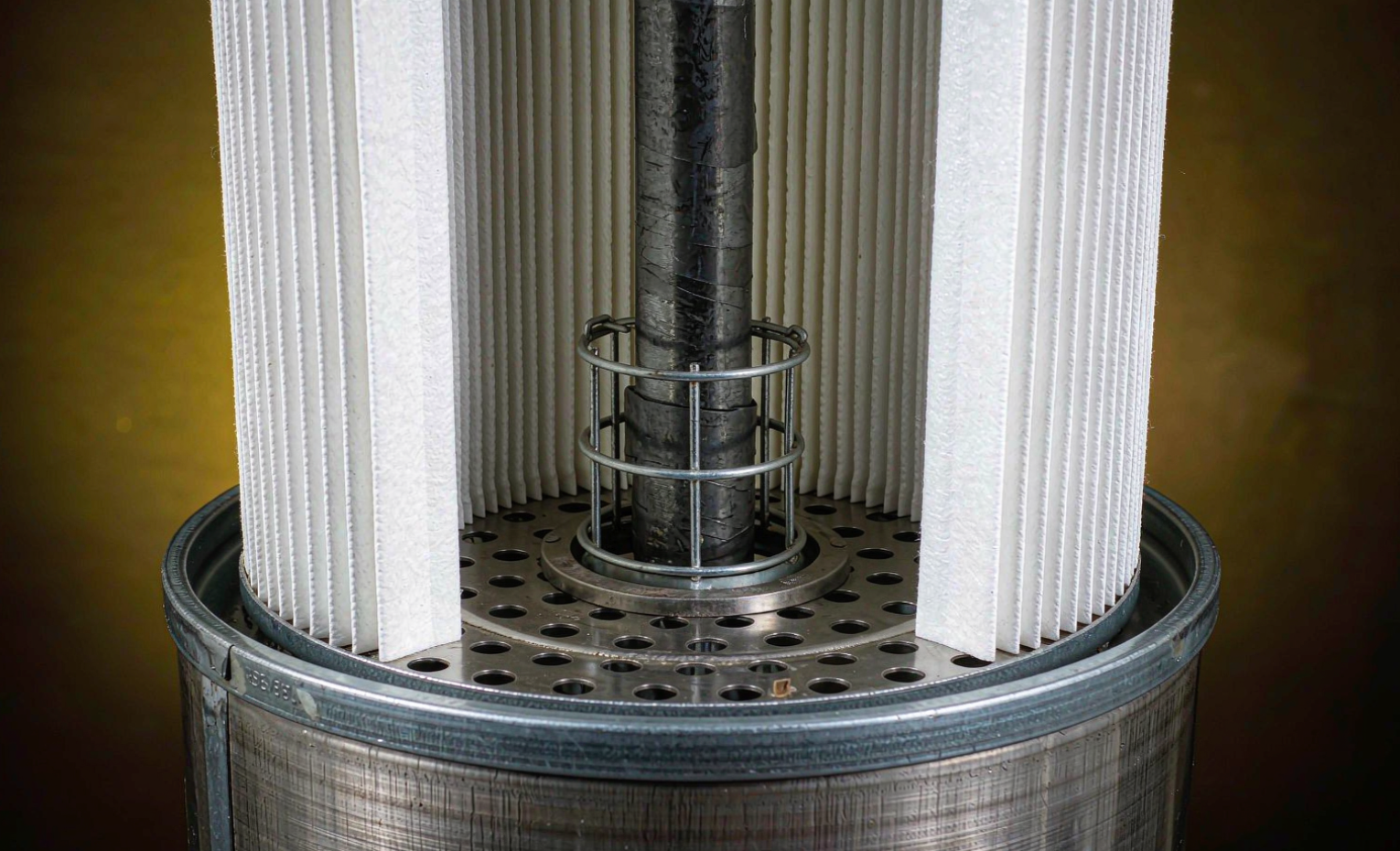
1. Where Contamination Comes From
Before you can control contamination, you have to know its three origins:
- Built-in contamination: residual machining swarf, weld scale, core sand, and assembly dirt trapped before the system ever runs. This is why a new machine should be flushed and the first filter element changed early.
- Ingressed contamination: particles that enter through breather caps, worn rod seals, open reservoirs, and careless top-ups. Water is the other big ingress — condensation and rain find every unprotected opening.
- Generated contamination: wear particles the system makes about itself — a self-reinforcing loop where existing dirt accelerates the creation of more.
The uncomfortable truth is that a closed hydraulic system is never truly closed. Every rod cycle, every breather breath, and every fluid top-up is a contamination event unless it is engineered against.
2. Why Particle Size Matters More Than You Think
Not all particles are equal. The sizes that matter most are invisible: those around 4–6 µm, which is the order of magnitude of the lubricating film and component clearances in modern vane and piston pumps. Particles in this range act like lapping compound, grinding away the very surfaces that keep the system efficient. Larger particles (>15 µm) cause sudden damage — scoring a rod, jamming a valve spool — but it is the silt-sized fraction that quietly destroys service life.
This is why cleanliness is specified at three sizes, not one. The international language for this is the ISO 4406 code.
3. Reading an ISO 4406 Cleanliness Code
ISO 4406 (current edition ISO 4406:2017) reports particle count per millilitre of fluid at three sizes: >4 µm(c), >6 µm(c), and >14 µm(c). The “(c)” denotes calibration to ISO 11171. A code such as 18/16/13 means:
- 18 → particle count >4 µm(c) falls in the 130,000–250,000 per mL band
- 16 → >6 µm(c) in the 32,000–64,000 per mL band
- 13 → >14 µm(c) in the 4,000–8,000 per mL band
The numbers are logarithmic, so each step up roughly doubles the particle count. A system at 20/18/15 is not “a little worse” than 18/16/13 — it carries about four times the silt load. Lower numbers are cleaner; that is the entire game.
4. Beta Ratio: What a Filter Rating Actually Means
“10 micron filter” is one of the most misleading phrases in the industry. A filter’s performance is defined by its beta ratio:
Efficiency follows directly: η = (βₓ − 1) / βₓ × 100%. A β₁₀ = 2 means half the 10 µm particles pass (50% efficient); β₁₀ = 200 means 99.5% are captured. The “absolute” or “β₁₀₀₀” rating is the size at which 99.9% of particles are removed — far more meaningful than a nominal “10 µm” label. Always ask a supplier for the beta-ratio curve, not a single nominal number.
5. The Cleanliness Scale, Visualized
The chart below maps common target codes onto the ISO 4406 scale. Green is a defensible target for precision components; amber is acceptable for basic industrial gear-pump circuits; red is the failure zone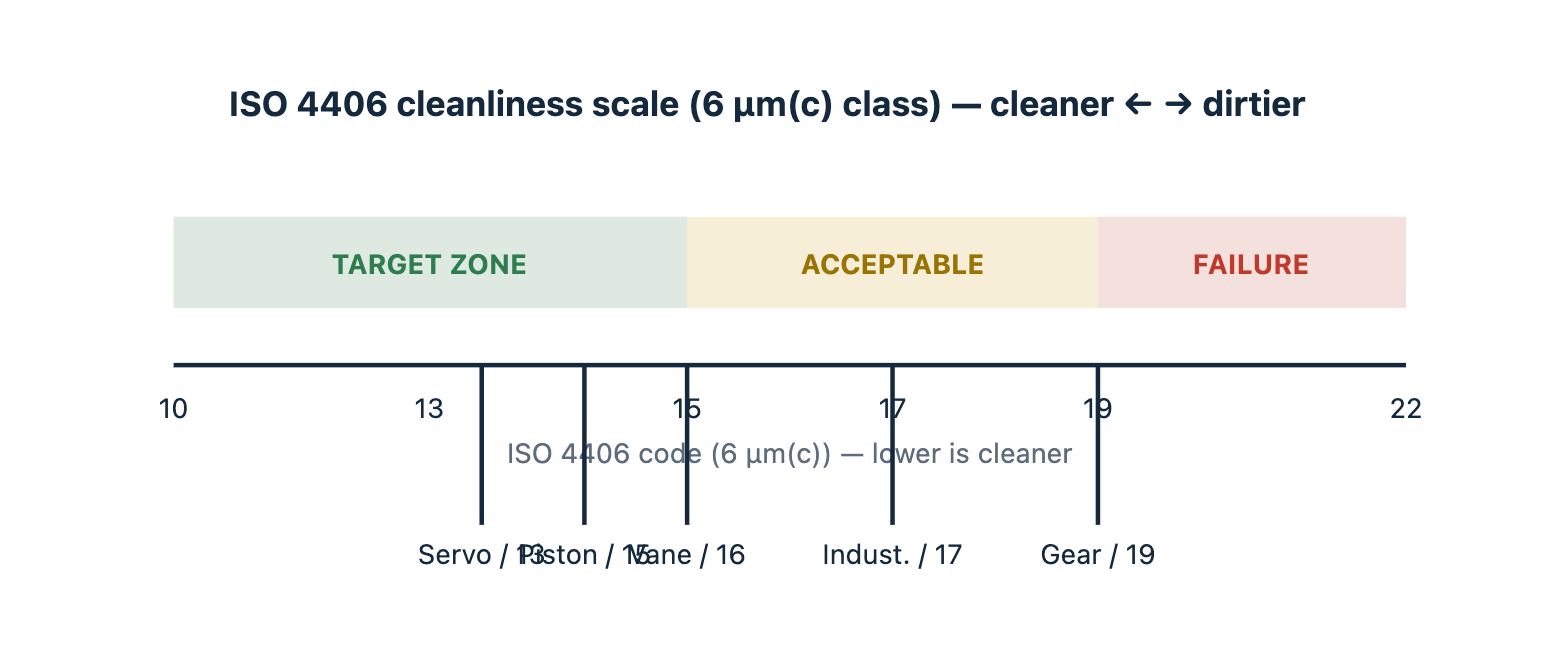
6. Filter Placement: Suction, Pressure, Return
A hydraulic circuit typically carries filters in up to three locations, each with a different job:
- Suction filter / strainer: coarse (74–150 µm), protects the pump inlet from large debris and cavitation damage. Too fine here starves the pump — keep it coarse.
- Pressure filter: fine (3–25 µm), guards critical downstream components such as servo valves. It sees full system pressure, so it is the most robust and expensive.
- Return-line filter: fine-to-medium (10–25 µm), catches wear particles on the way back to the tank. The workhorse of most industrial systems.
For precision circuits, a combination — coarse suction protection plus a fine return or pressure filter — is the norm. Offline (kidney-loop) filtration that runs independently of the main circuit is the gold standard for keeping a system at a tight code without burdening the working flow.
7. A Practical Cleanliness Target by Component
| Component / circuit | Recommended ISO 4406 | Typical filter rating |
|---|---|---|
| Gear pumps & motors | 19/17/14 | β₁₀ ≥ 75 |
| Vane pumps | 18/16/13 | β₁₀ ≥ 100 |
| Piston pumps (industrial) | 17/15/12 | β₁₀ ≥ 200 |
| Proportional valves | 16/14/11 | β₁₀ ≥ 200 |
| Servo valves & precision | 14/12/9 | β₃ ≥ 200 / β₁₀ ≥ 1000 |
8. Monitoring: You Cannot Improve What You Do Not Measure
Cleanliness is only real if it is verified. Three approaches dominate:
- Automatic particle counters: give an ISO 4406 code in minutes, ideal for commissioning and condition monitoring. Sensitive to water and air bubbles, which inflate counts.
- Laboratory patch tests: microscope counting per ISO 4407; cheap and robust, slower, operator-dependent.
- Scheduled sampling: draw from a live, circulating point (not the tank bottom) using clean technique. Trend the code over time rather than trusting a single reading — a rising trend is your early-warning system.
A sensible program samples new oil on arrival (it is often dirtier than you expect), after commissioning flush, and quarterly in service. Pair particle data with water-content and viscosity checks for a complete fluid-health picture.
9. The Payoff: Dirty Oil vs. Clean Oil
The economics are stark. A precision piston pump running at 19/17/14 instead of its 17/15/12 target may lose half its service life; multiply that across every valve and cylinder in the machine and the “savings” from a cheap filter or skipped sampling disappear in the first major failure. Conversely, holding a tight code reduces unscheduled downtime, stabilizes component efficiency (less internal leakage as seals and lands stay sharp), and cuts warranty and repair cost. In mobile equipment, cleaner fluid also means smaller, cheaper coolers because less energy is wasted as heat from leakage.
10. Water and Air: The Contaminants You Cannot See
Solid particles get the attention, but water and air quietly do their own damage. Water enters through breather caps, condensation, and rain, and even 500–1000 ppm (0.05–0.1%) begins to hydrolyze ester-based fluids, promote microbial growth, lower film strength, and seed rust on untreated surfaces. It is measured with a simple crackle test in the field or Karl Fischer titration in the lab. Control it with desiccant breathers, water-absorbing filter elements, and offline dehydrators. Entrained air is the other invisible enemy: it causes cavitation, spongy actuator response, and accelerated oxidation as it collapses in high-pressure zones. Good reservoir design — adequate size, baffles, and a fill point that avoids vortexing — keeps air out in the first place.
11. Commissioning and Flushing: Get Clean Before You Start
A new or rebuilt circuit is at its dirtiest the day it is built. Machining swarf, weld scale, and assembly dust are trapped inside until you flush them out. The disciplined approach is to circulate fluid through a temporary high-flow loop with a flushing filter rated tighter than the service target — for example flushing to 15/13/10 before filling to the 17/15/12 service code. Verify with a particle count, not a visual check, and change the first service element early because the initial load is heaviest. The same discipline applies to make-up oil: new oil often arrives at 20/18/15 or worse, so filter it to target on receipt. Clean fill, clean flush, clean sample — that sequence is what separates a system that lasts from one that fails young.
Conclusion
Contamination control is not a filter you bolt on at the end — it is a system discipline: flush new circuits, specify filters by beta ratio, place them where they do their job, target the right ISO 4406 code for each component, and verify with real measurements. The engineers who treat fluid cleanliness as a design parameter, not an afterthought, are the ones whose machines run for years instead of months. Start by sampling your worst-performing circuit this week; the code you read will tell you more about its future than any service bulletin.