


Hydraulics
From the pump to the load. Components, circuits, control and the details behind reliable motion.
 mfgatlas
A place for the people who design, run and maintain machines. Ask a specific question, explain what you found, and learn from the experience of others.
A conceptual section, not a construction drawing. Not to scale.
MFG Atlas brings hydraulics and injection molding into one focused conversation. It is a place to compare approaches, explain a failure, document a method and leave a useful reference for the next person.
More about MFG AtlasTwo core disciplines, with room for the tooling and maintenance that connect them.
From the pump to the load. Components, circuits, control and the details behind reliable motion.
Materials, machines and the process between them. Understand what the part is telling you.
A clear explanation can be useful without becoming a formal paper. Choose a format that fits what you have to share.
Start with what you know. Context, observations and sources help readers when available. You do not need to fill every optional evidence field.
Describe how a component, process or method works. A labeled diagram and a clear boundary of applicability often matter more than length.
Share the operating conditions, an observation or a useful change. Separate what you measured from what you think caused it.
Describe the symptom, the conditions and what you have already tried. Add a clear image or diagram if it helps explain the question.
Member-written guides and explanations, with their context and sources.
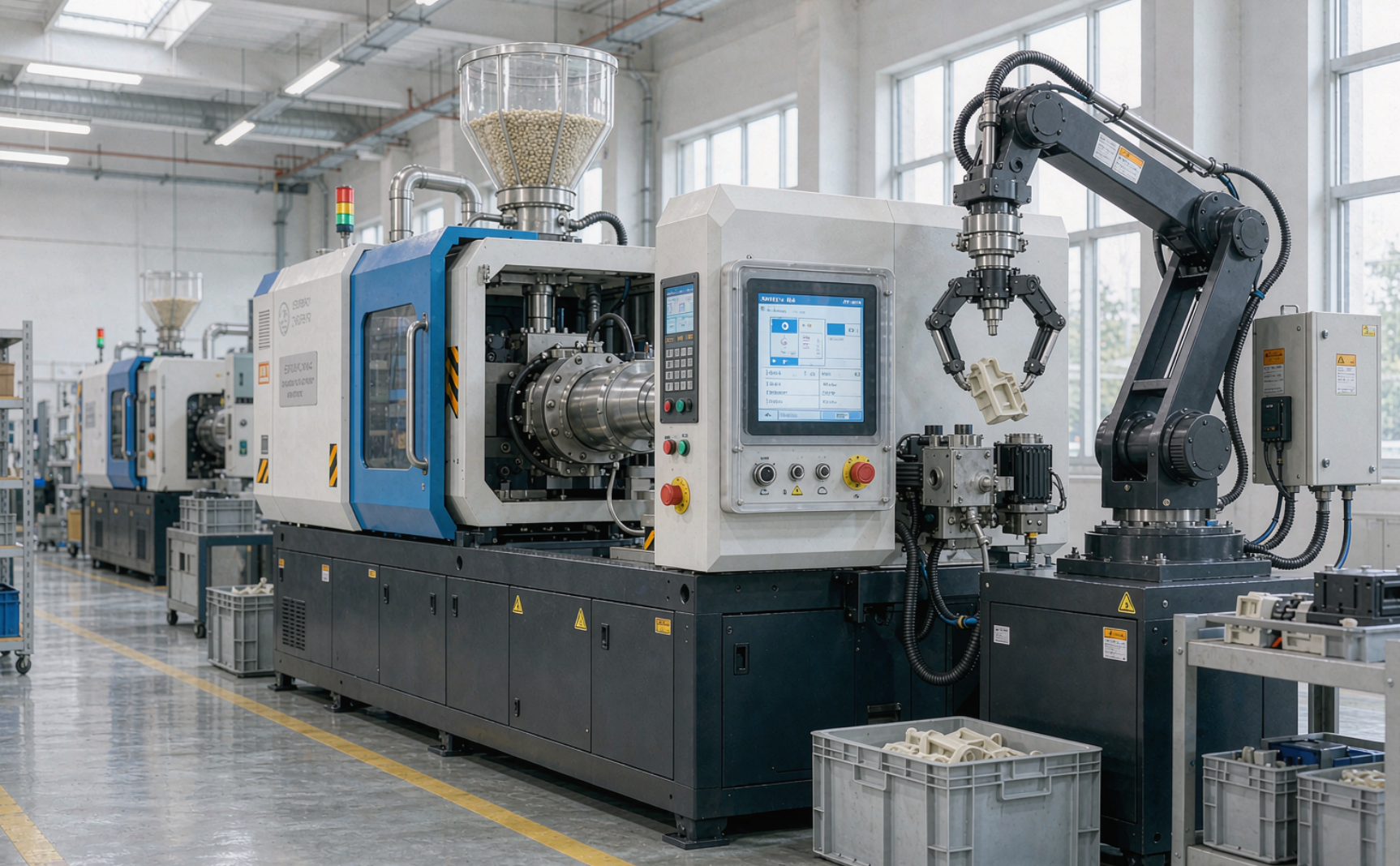
This article answers the question every procurement manager eventually faces: which drive architecture should my next press be? We compare conventional hydraulic, servo-hydraulic, and all-electric machines on the metrics that actually hit the P&L…
Walk onto almost any injection molding floor and the machines that make the highest forces — the 1,000-, 2,000-, even 4,000‑tonne presses turning out automotive bumpers, bins, and structural parts — are still driven…
Members submit articles for review before they become public. The aim is a useful technical reference, with enough context for readers to judge the explanation.
Read the editorial standardsStay within hydraulics, injection molding, tooling or equipment maintenance. Use an informative title, readable sections and images that help explain the subject.
When adding a source, provide its title and URL. Other source details and optional evidence fields can be added when useful. A diagram or calculation should be identified as an example when it is one.
Save a draft, submit it for review, then publish after the editorial check. Published articles retain their source and correction information; proposed revisions can be reviewed before replacing the public version.
Distinguish observations, estimates and explanations. State relevant limits when you know them. Review and community appreciation describe a process; they are not engineering certification.
Explore the community at your own pace, or choose to receive new technical articles by email.
Confirm your subscription by email. Article updates and forum notifications stay separate.


